What to verify before committing to a VA renovation lender
Choosing the right lender for a VA renovation loan takes more than comparing interest rates. The structure of these loans, often called structural VA loan programs, involves multiple layers of rules that go beyond standard mortgage underwriting. A lender who understands how to handle renovation funds, contractor requirements, and property eligibility can make the difference between a smooth project and one that stalls before work begins.
Before you sign anything, it helps to know what questions separate a lender who can deliver on a VA renovation from one who cannot. The points below cover the areas that matter most: program guidelines, credit score thresholds, AUS approval quirks, and the practical side of managing a renovation budget.
Does the lender understand VA renovation overlays?
VA renovation loans combine two sets of rules: the standard VA loan guidelines and the lender's own overlay requirements. An overlay is a stricter requirement that a lender adds on top of what the VA asks for. For example, the VA may allow a 620 minimum credit score, but your lender might require a 640 or 660. That difference can disqualify you even if the VA would approve you.
Ask each lender you speak with whether they apply overlays to credit score, debt-to-income ratio, or property condition. Some lenders also have overlays on contractor qualifications or the percentage of renovation costs they will finance. Knowing these upfront saves time.
What counts as an acceptable contractor?
Not every contractor qualifies for work financed by a VA renovation loan. The VA requires that the contractor be licensed, bonded, and insured where state law demands it. But lenders can add their own conditions. Some require the contractor to have a minimum number of years in business or a clean record with the local licensing board.

Ask the lender what documentation they need from the contractor before work starts. If the contractor you plan to hire cannot provide those documents, you may need to switch lenders or find another contractor. It is better to confirm this early than to discover it after you have already chosen a contractor.
How does the lender handle the renovation funds?
VA renovation loans release money in stages, not all at once. The lender holds the renovation funds in an escrow account and pays the contractor as work reaches certain milestones. Some lenders manage this process well; others create delays by requiring excessive paperwork for each draw request.
Ask how many days it typically takes the lender to release funds after the contractor submits a draw request. Also ask what documentation the lender requires for each draw. If the lender wants an inspection report after every small phase, framing, drywall, painting, that can slow a project down. A lender who uses a streamlined process with fewer inspections can keep your renovation on schedule.
Carlos Scarpero, VA Mortgage Specialist, NMLS 1674385, notes that the speed and reliability of the draw process often determines whether a renovation finishes on time. Choosing a lender who treats draws as a service, not a burden, makes a real difference.
What happens if the renovation goes over budget?
Cost overruns happen. Materials get more expensive, unexpected issues appear behind walls, and change orders add up. A good lender has a policy for handling overruns before they become a crisis.
Ask whether the lender allows a contingency reserve within the loan amount, typically 10 to 15 percent of the renovation budget. Also ask how they handle a situation where the final cost exceeds the original loan amount. Some lenders allow you to increase the loan if you have enough equity; others require you to pay the difference out of pocket. Knowing this in advance helps you plan your finances.
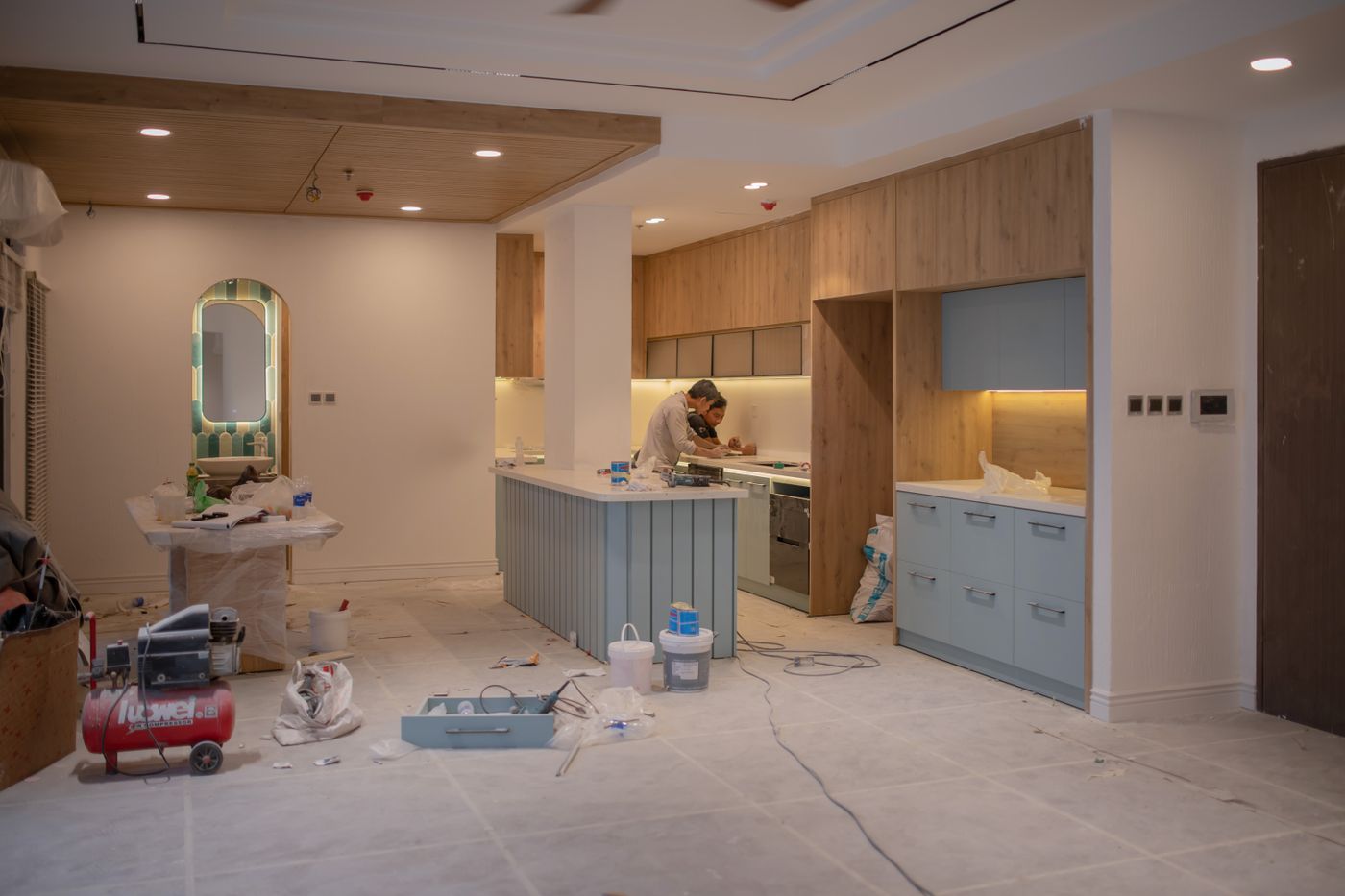
Does the lender require a specific type of property eligibility?
Not every property qualifies for a VA renovation loan. The property must meet VA minimum property requirements, which cover safety, structural soundness, and sanitation. But some lenders add their own property eligibility rules. For example, a lender might decline a property with an older roof or an outdated electrical system, even if the VA would approve it.
Ask the lender what property conditions would disqualify the loan. Also ask whether they accept properties that need major structural repairs, like foundation work or new roofing. If you are looking at a fixer-upper, this question can save you from wasting time on a property that no lender will finance.
How does the lender treat the property after renovation?
Some lenders require the property to meet certain standards after the renovation is complete. For instance, they may require that the home achieve a minimum appraised value after the work is done. If the post-renovation appraisal comes in lower than expected, the lender may ask for a larger down payment or adjust the loan terms.
Ask the lender what happens if the post-renovation appraisal does not meet the expected value. A transparent lender will explain the process and the options available to you.
What is the lender's process for AUS approval?
The VA uses an automated underwriting system (AUS) to pre-screen loan applications. AUS approval is not the same as final approval, but it gives a strong indication of whether the loan will pass underwriting. Some lenders run the AUS early in the process; others wait until after you have a purchase contract or renovation plan.
Ask the lender when they run the AUS and what they do if the system returns a "refer" or "decline" result. A lender who knows how to work with borderline cases, by adjusting the loan structure or asking for compensating factors, can keep your application alive when another lender would reject it.

Understanding these points before you choose a lender puts you in control of the process. A VA renovation loan is a powerful tool, but only if the lender handling it knows the rules and has a workflow that matches your project's needs. Take the time to interview at least two or three lenders. Ask the same questions each time and compare their answers. The lender who gives clear, detailed responses without hedging is likely the one who will serve you best.
For veterans exploring structural VA loan programs, working with someone who understands both the VA guidelines and the lender-specific overlays is essential. Carlos Scarpero, VA Mortgage Specialist, NMLS 1674385, works with borrowers to navigate these details every day. Whether you are buying a fixer-upper or refinancing to renovate your current home, knowing what to ask upfront saves time, money, and frustration.